
Software that speaks brewer.
Grain bills, hop additions, yeast strains and adjuncts in the recipe. Fermentation batches in production. Keg-level stock in the warehouse. Xero in the books.
Brewing is manufacturing with feelings
Every batch is unique — harvests differ, yields surprise, and the beer that fermented on schedule still needs packaging on a Tuesday you didn’t plan for. Brewery software has to handle that reality, not just the ideal one.
BSimple models a brewery the way brewers think:
- Recipes — grain bill, hop additions, yeast strains and adjuncts as live ingredient lines
- Production — scale the batch and watch every ingredient recalculate; commit when the run is real (recipes & production)
- Batches — every fermentation run is a tracked lot, from grain silo to the keg that left yesterday (batch tracking)
- Stock — kegs, cans and cartons as live inventory across cold room, taproom and van
- Sales — taproom POS and wholesale portal orders into one pipeline, synced to Xero
The coffee-roaster pedigree
BSimple cut its teeth on coffee roasters — another batch-driven, craft-scale production business — before extending into food manufacturing and brewing. The pattern is the same: recipes in, batches out, traceability free, margin visible in Product Margin Analysis.
Never run dry on a Friday again.
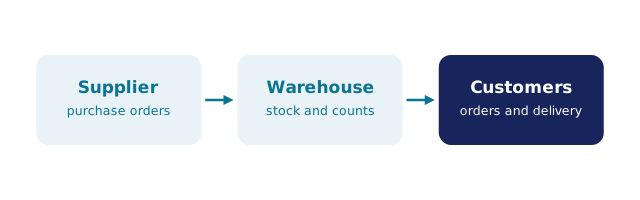
Reorder levels watch grain, hops and packaging. When a big batch dips them, the Auto Builder drafts the PO — see purchase order automation. And tagged wholesale accounts get re-order invitations on a rhythm — see campaigns.
Brewing FAQs
Can BSimple store a beer recipe properly?
Yes — a recipe holds the grain bill, hop additions, yeast strain and adjuncts as ingredient lines, with quantities that recalculate live when you scale the batch up or down in a production run.
How are fermentation batches handled?
A production run creates a batch record — the fermentation batch — which consumes ingredient stock and carries through to packaging and traceability.
Does it track kegs and packaged stock separately?
Yes — kegs and packaged units are stock items like any other, so taproom pours, wholesale keg movements and packaged sales all draw from the same live ledger.
Can the taproom and wholesale run side by side?
Yes — taproom counter sales ride the POS screen, wholesale buyers order on their portal links, and both land in the same order pipeline.
See it running on your numbers
Start a free BSimple trial — no credit card, just your email — or talk to a real human about what this could look like in your business.
Free trial via bsimple.com.au · No credit card required · Cancel anytime