
The quality callback
A customer reports an issue with Tuesday’s delivery. Batch tracking tells you exactly which production run it came from — and which other customers received it.
What went into it, what went out of it, and when. Batch and lot tracking that writes itself as a side-effect of production — not a job for Fridays.
The reason most small manufacturers can’t trace a batch is that traceability is normally extra work — a second log, kept separately, by someone who has better things to do. BSimple inverts it: running a production batch creates the traceability record.
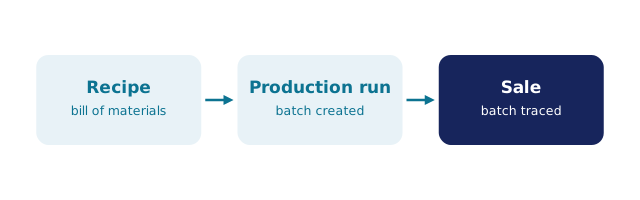
A customer reports an issue with Tuesday’s delivery. Batch tracking tells you exactly which production run it came from — and which other customers received it.
Use-by dates ride with the stock, so older batch stock ships first and date-driven write-offs shrink.
Food-service and retail listings ask traceability questions. The answer is a record, not an archaeology project.
Planned quantity vs. actual output per batch becomes visible, which is where margin leaks hide in manufacturing.
BSimple’s batch tracking was built alongside its recipes and production module for industries like food manufacturing and brewing, where a batch is the natural unit of both production and risk. Because batches, ingredients, orders and customers share one database, a trace is a query — not a weekend with three spreadsheets and a highlighter.
And because everything else runs on the same platform, the batch that answers a traceability question also flows into the same Xero-synced order flow and the same margin reporting as everything else.
Batch (or lot) tracking records which batch of a product each sale came from, and which ingredient lots went into each batch. When something goes wrong — or a customer asks a good question — you can answer precisely instead of guessing.
If you make food, drink, cosmetics or anything with use-by dates or recall exposure, traceability is cheap insurance. BSimple creates batch records automatically as part of production runs, so the tracking is free labour.
Yes — date-sensitive goods carry their dates through the batch record, which matters for food manufacturing and brewing where rotation and shelf life drive what ships.
In production history, in inventory, and against orders — so a batch question resolves from one record instead of three systems and a phone call.
Start a free BSimple trial — no credit card, just your email — or talk to a real human about what this could look like in your business.
Free trial via bsimple.com.au · No credit card required · Cancel anytime